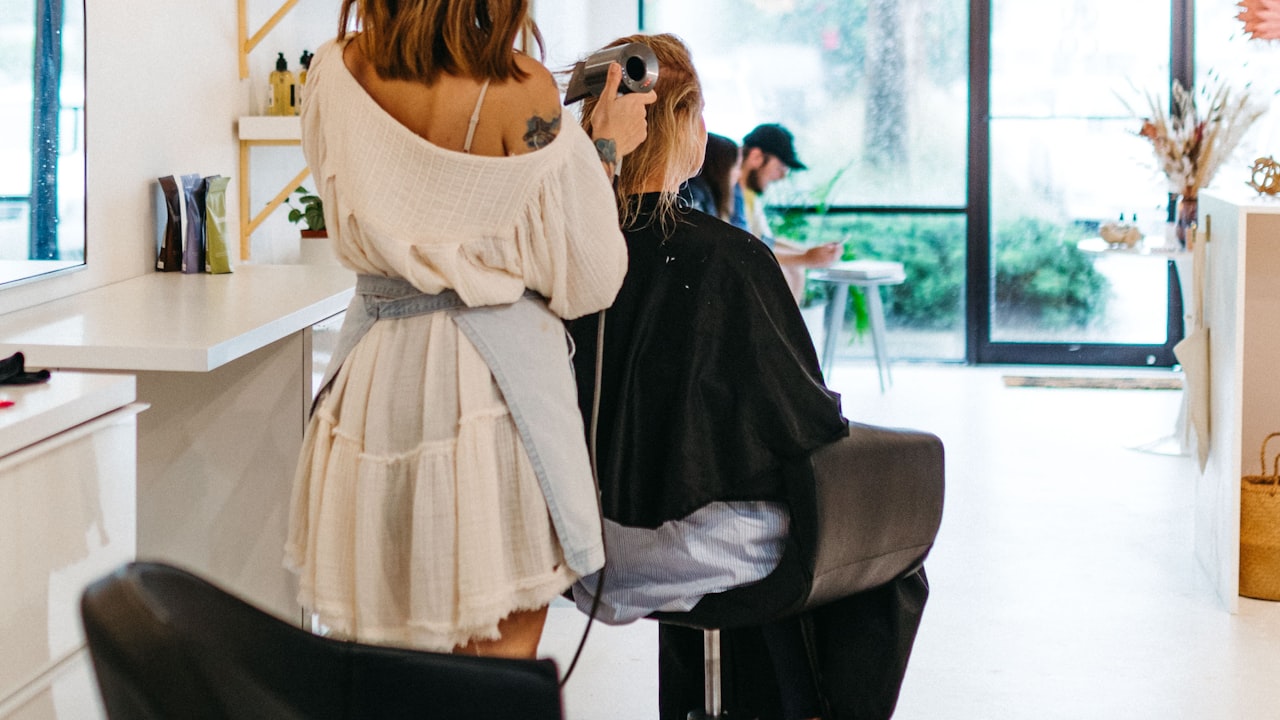
Getting customers
How solo barbers and stylists grow their client base
Growing a solo barber or stylist business isn't more hustle — it's a system that connects four levers: local visibility, social proof, referrals, and owning your booking. When all four work together, every new client has a clear path to find you, book you, and come back.
August 20, 2026 · 8 min read
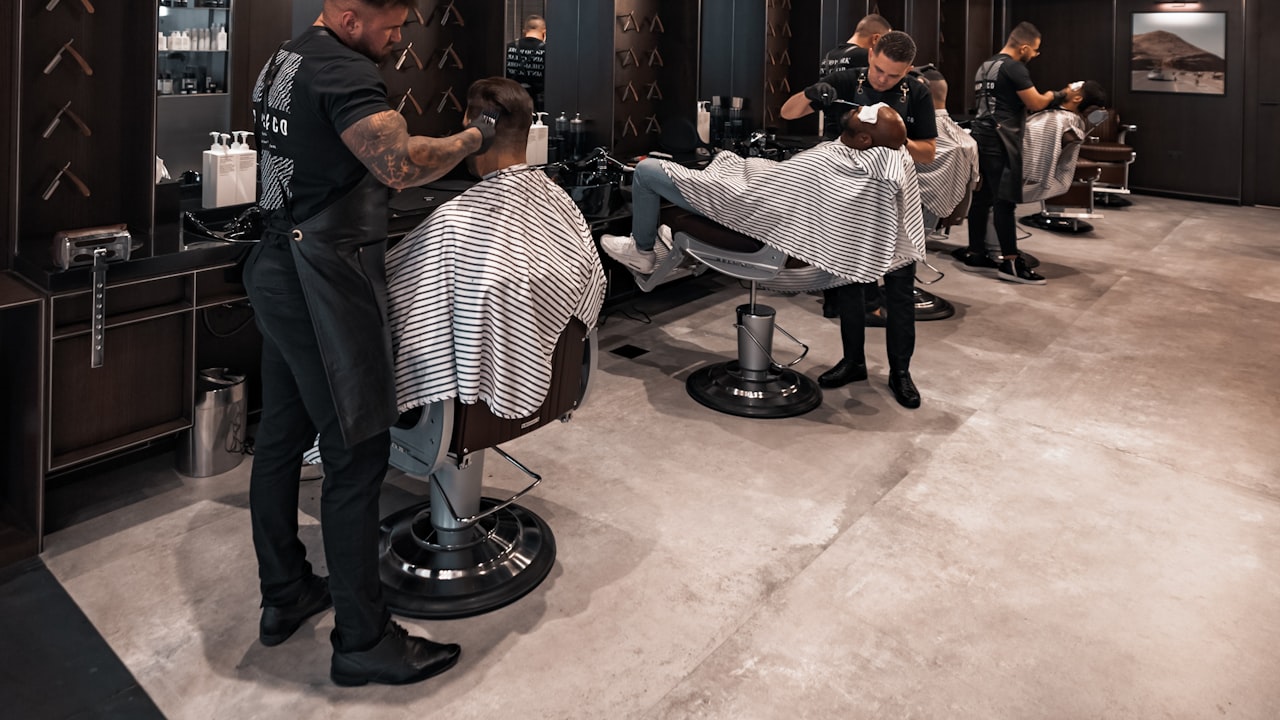
The short version
- Start with local search — it drives the highest-intent traffic and has the longest lead time.
- Own your booking and client list so no marketplace can market competitors to your clients.
- Retention compounds: reminders, deposits, and rebooking prompts keep the chair full.
How do I grow my client base as a solo barber or stylist? It's one of the most common questions in the industry, and the answer isn't more hustle. It's a system that connects four levers at once: local visibility, social proof, referrals, and owning the booking experience. Many solo barbers and stylists putting real effort into their business still carry empty slots on the calendar — not because they lack skill, but because one or more of those levers is broken or missing.
When all four work together, every new client has a clearer path to finding you, booking you, and coming back. This guide walks through each lever in the order that builds momentum fastest. One thing worth saying upfront: these tactics compound when they sit on top of a professional web presence where you own your client data — your names, phone numbers, emails, and appointment history. Without that foundation, you're building on someone else's land.
Get visible locally first
Local search is the highest-intent channel available to a solo barber or stylist. When someone types "barber near me" or "stylist in [city]" into Google, they're ready to book — not browsing, deciding. Start by claiming your Google Business Profile and setting the primary category to "Barber Shop" or "Hair Salon," not a vague generic type. Write a specific description that includes your specialties and location, add a booking URL so someone can go from search result to appointment in two taps, and upload real photos of finished work. In competitive markets, profiles with at least 50 reviews tend to hold the top local pack positions, and recency matters as much as volume — respond to every review within 24 to 48 hours.
Apple Maps and Bing Maps are overlooked by most solo operators. iPhone users rely on Siri and Apple Maps, and Bing captures a meaningful share of desktop searches. The catch is that managing three separate map portals — keeping name, address, and phone consistent and staying current on each platform's verification — takes real time. That's the kind of setup Plvio helps with as part of its managed service: it helps you get listed on Google, Apple and Bing (owner-assisted, you verify), worth considering if that work would otherwise fall through the cracks.
Convert followers into first-time bookings
Social media doesn't grow your client base by itself — the content does, and most barbers and stylists post inconsistently and without a clear next step. Lead with transformation and end every post with one obvious next step. Transformation Reels and before/after carousels are the strongest format because they show the specific result someone wants. A realistic cadence for a solo with no content team is two to three feed posts per week plus daily Stories, where urgency lives: "Two openings this Thursday. Tap Book Now."
A booking link in bio is non-negotiable — add a "Book Now" button to your Instagram and Facebook profiles, and put pricing, services, and location in your highlights so first-time clients don't have to DM you for answers you've already given a hundred times. Reply to comments and DMs the same day; when someone is ready to schedule, the first barber or stylist to respond usually wins the appointment.
Build a referral system that runs itself
Word-of-mouth has always been the best source of new clients for solo providers — industry estimates put referrals at roughly two-thirds of new clients for independent operators. The problem is that most referrals happen accidentally. A double-sided reward consistently outperforms one-sided programs: the existing client gets a service credit, and the new client gets a first-visit discount or complimentary add-on. Service credits beat cash discounts because they protect your pricing and guarantee a return visit from your referrer. The ask happens at the end of the appointment, in person, then an automated text goes out the same day with the offer in writing.
Own your booking experience and your client list
When you book through a marketplace, those platforms hold your client data. If you ever leave, or if the platform starts promoting a competitor to your own clients — which they do routinely — you have no recourse. The marketplace shows up in search, not you; the client's contact information lives in their database; and per-booking fees quietly erode your margins. This isn't a criticism of any specific tool — it's how marketplaces are built to work, because the business model depends on your clients being their clients.
When you have a website on your own domain with booking built into it, every appointment is captured directly into a client list you own: names, phone numbers, emails, and appointment history. That list stays with you even if you switch tools. Plvio is built for exactly this setup: a fully managed website, integrated booking, and help getting listed across Google, Apple and Bing, where you keep every client you earn with no per-booking fees and no technical work required. For a solo barber or stylist, that infrastructure is the difference between building an audience and building a business.
Keep the clients you already have
Acquiring a new client costs more time and money than retaining one, and retention is where the real compounding happens. Automated appointment reminders, both SMS and email, are the single highest-return feature any booking system provides — a missed appointment costs a solo operator roughly $35 to $50 in direct service revenue, more with tips and rebooking. A brief post-visit follow-up two days later — "Loved having you in, ready to rebook for eight weeks out?" — keeps the relationship warm. And prebooking the next appointment before the client walks out is the easiest retention tactic there is.
Your 30-90 day plan
- 01Days 1-30: Build the foundationStart with Google Business Profile optimization and map listings — this channel has the longest lead time, so it comes first. Clean up or launch your booking setup so every visitor can book without friction. Set up the referral program and make the first in-person ask with existing clients. Get three to five transformation posts up with a clear booking call to action.
- 02Days 31-90: Build momentum and repeat businessShift energy to content consistency — two to three posts a week, daily Stories, and the automated follow-up sequence for past clients. Monitor your Google Business Profile for new reviews and respond within 24 hours. Around the 60-day mark, a well-run referral system should start producing its first warm leads. By day 90, a consistent posting rhythm, a referral loop, and an owned booking system should all be running together.
If you've been asking how to get more clients as a hairstylist or barber, the answer is the same system every time: local visibility that puts you in front of high-intent searchers, social content that shows real results, a referral program that runs on autopilot, and a booking setup that captures every client into a list you actually own. None of these work in isolation, but together, every new client becomes a repeat client, and every repeat client becomes a referral.
Common questions
- How do I grow my client base as a solo barber or stylist?
- Run four levers together: local visibility so high-intent searchers find you, social content that shows real transformations, a referral program that runs on autopilot, and a booking setup that captures every client into a list you own. They compound when they work as one system.
- What's the fastest lever for a solo stylist?
- Local search tends to bring the highest-intent traffic because those people are ready to book, but it has the longest lead time — so claim and optimize your Google Business Profile first, then let it work while you build the other levers.
- Why does owning my client list matter so much?
- When a marketplace holds your data, the platform shows up in search instead of you and can market other barbers or stylists to your clients. A website on your own domain with integrated booking captures names, phone numbers, emails, and appointment history into a list that stays with you.
- What's the highest-return feature for reducing no-shows?
- Automated SMS and email reminders. Missed appointments cost a solo operator roughly $35 to $50 each in direct service revenue, and requiring a deposit or card on file at booking reduces ghost appointments significantly.
Sources
- The Stacc — Barbershop Google Business Profile
- Favecard — Barber marketing ideas
- AgentZap — How to reduce barbershop no-shows
General information for business owners, not legal, tax or financial advice. Rules vary by state and by trade.